
Typical Foods of Leticia, Amazonas You Must Try
Leticia, capital of the Amazonas department in Colombia, is a one-of-a-kind destination where three cultures meet: Colombian, Peruvian, and Brazilian. Its privileged location on the triple border (with Tabatinga in Brazil and Santa Rosa in Peru) gives it a culinary identity enriched by indigenous traditions, Amazonian flavors, and the fusion of cooking techniques from its neighboring countries.
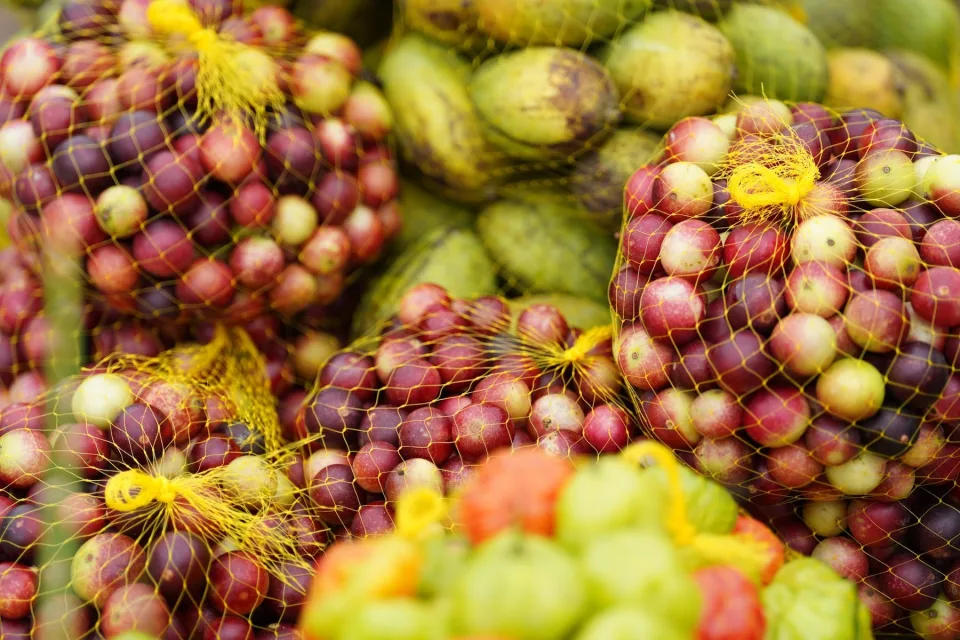
In this guide, we'll explore the region's signature fish-based dishes, the influence of Peruvian cuisine, and the bold flavors of Brazilian gastronomy found in local restaurants. Get ready for an unforgettable culinary journey!
2. Typical Amazonian dishes: unique fish-based flavors
The Colombian Amazon is home to a wide variety of river fish, such as the gamitana and the pirarucú (or paiche), considered giants of these waters. Below are some dishes you can't miss.
2.1 Patarasca fish
- Description: patarasca is a traditional preparation in which fish is marinated in spices and wrapped in plantain or bijao leaves to be grilled over charcoal or embers.
- Recommendation: it is usually served with cassava, plantain, or fariña (toasted cassava flour). It is a dish that highlights the fish's fresh flavor and the region's aromatic herbs.
2.2 Gamitana broth for breakfast
- Description: ideal for starting the day with energy, this broth is a classic in many Amazonian households.
- How it is made: gamitana meat is simmered with onion, cilantro, and local spices. The broth is light but very nourishing, served hot, often with sides like cassava bread or casabe.
2.3 Cassava-starch beijus
- What they are: beijus are a kind of thin flatbread made from cassava starch, similar to casabe but with a softer, more flexible texture.
- How to enjoy them: they can be filled with shredded meat, fish, or simply spread with butter. They are perfect for pairing with soups and stews.
2.4 Fried gamitana ribs
- Description: gamitana is cut into "ribs" or thick pieces, seasoned, and then fried to a crisp exterior and juicy interior.
- Culinary tip: pair it with patacones, salad, and, of course, some local hot sauce.
Pirarucú in regional sauce
- Typical sauces: pirarucú (paiche) can be prepared in sauces made with exotic fruits like copoazú, arazá, or traditional coconut.
- Why try it: pirarucú is one of the largest freshwater fish in the world, with firm, flavorful meat that perfectly absorbs tropical sauces.
Amazonian fish ceviche
- Ceviche's star: pirarucú also shines in ceviche preparations, marinated with lime juice, onion, cilantro, and chili.
- Variants: some restaurants add ají charapita, typical of the Peruvian Amazon, or pieces of fruit for a sweet contrast.
Peruvian influence: bold flavors and great diversity
The border with Peru means Leticia is a place where you can try typical dishes of Peruvian cuisine, world-renowned for its variety and tradition. Here are some of the most popular preparations you'll find.
Arroz chaufa
- Description: one of the emblems of Chinese-Peruvian fusion, arroz chaufa mixes stir-fried rice with pieces of chicken, pork, or seafood, eggs, and scallion.
- Why try it: its slightly smoky flavor and mix of spices make it an ideal side or a main dish on its own.
Cecina with plantain tacacho
- What it is: cecina is dried, smoked pork, fried or grilled before serving. It is paired with tacacho, a mash of green plantain with lard.
- Flavor and texture: the combination of salty cecina and soft tacacho makes this a very popular dish in the Peruvian Amazon.
Lomo saltado
- A Peruvian classic: strips of beef stir-fried with onion, tomato, and spices, served with fries and rice.
- Travel tip: if you have never tried it before, you will find very authentic versions in Leticia thanks to its proximity to Peru.
Chupe de camarón (shrimp chowder)
- Description: a thick soup made with shrimp, milk, potatoes, corn, and spices.
- Why you'll like it: it is hearty, protein-packed, and served hot — perfect for cool mornings or rainy nights in the rainforest.
Pirarucú crackling
- Similar to traditional pork crackling, but using pirarucú as the main protein.
- Suggestion: pair it with fried cassava or patacones and some hot sauce to fully enjoy this crunchy bite.
Peruvian ceviches
- Tradition: Peruvian ceviche is famous worldwide, and the Amazon region is no exception.
- Variety of fish: river fish like gamitana or pirarucú can be used, or even combinations with seafood when available.
Papa a la huancaína
- What it is: sliced potatoes covered in a creamy sauce made from yellow chili pepper, fresh cheese, and milk.
- Recommendation: a perfect side for meat, chicken, or even enjoyed on its own as a starter.
Brazilian influence: bold flavor and rodizio-style grills
Brazil also leaves its mark on Leticia's food scene. Restaurants with charcoal grills, bean-based dishes, and fish preparations are common in the border area. Here are some Brazilian classics you shouldn't miss.
Banda de gamitana
- What it is: banda de gamitana is a preparation typical of the Tabatinga (Brazil) area, where the fish is cooked with spices and sometimes vegetables, yielding a flavorful broth or stew.
- Why try it: it is a very comforting dish and a great way to appreciate gamitana's versatility.
Brazilian bean stews (frijoladas)
- Foundation of Brazilian cuisine: beans are essential to Brazilian gastronomy. They are usually served in thick stews with pork or cured meats, paired with rice and farofa (cassava flour).
- Connection to the rainforest: in the Amazon region, pieces of fish or local vegetables may also be added for a unique twist.
Brazilian rodizio and picanha
- The rodizio concept: a rodizio-style restaurant offers charcoal-grilled meats (churrasco) served directly at the table on skewers, sliced to the diner's taste.
- Picanha: one of the most prized cuts in Brazil, known for its juiciness and flavor. It is usually served with salad, rice, and farofa.
- Recommendation: if you love meat, don't miss the chance to try Brazilian rodizio at the border.
A fusion of Amazonian and international flavors
Leticia, Amazonas's cuisine reflects its unique geographic position and the cultural influence of Colombia, Peru, and Brazil. From traditional fish-based dishes like patarasca and gamitana broth, to Peruvian food like arroz chaufa and papa a la huancaína, to Brazilian picanha rodizio, every bite is a genuine sensory experience.
When traveling to Leticia:
- Explore local markets to taste exotic fruits and typical dishes.
- Visit restaurants specializing in each type of cuisine and enjoy the cultural diversity.
- Appreciate the indigenous tradition blending with modern techniques and international flavors.
Without a doubt, the triple border is a place where Amazonian cuisine and Peruvian-Brazilian influences come together to offer an explosion of flavors. Dare to try it all and discover why Leticia's gastronomy is one of the most special in Colombia!
Frequently asked questions
What is the most representative dish of Leticia's local cuisine?
Patarasca fish is one of the iconic dishes; being cooked in leaves and the freshness of the Amazonian fish make it a must-try delicacy.
Where can I try authentic Peruvian food in Leticia?
There are Peruvian restaurants and "chifas" (Chinese-Peruvian fusion) near downtown Leticia and in Santa Rosa (Peru), just minutes away by boat.
Are there vegetarian options in triple-border cuisine?
Although most dishes include fish or meat, many restaurants offer preparations with local vegetables, cassava, plantain, beans, and salads, fitting vegetarian or vegan diets.
Can I find typical desserts in the area?
Yes, try ice cream and sweets made from Amazonian fruits like arazá, copoazú, and camu camu, which offer a unique flavor.