
Discover the Municipality of Tabatinga: The Gateway to the Brazilian Amazon
Tabatinga is the Brazilian city that shares a direct border with Leticia, Colombia, and forms part of the Amazon triple border together with Santa Rosa, Peru. No visa is needed to cross, and its blend of Brazilian and Indigenous culture makes it a must-visit stop for anyone in the Amazon.
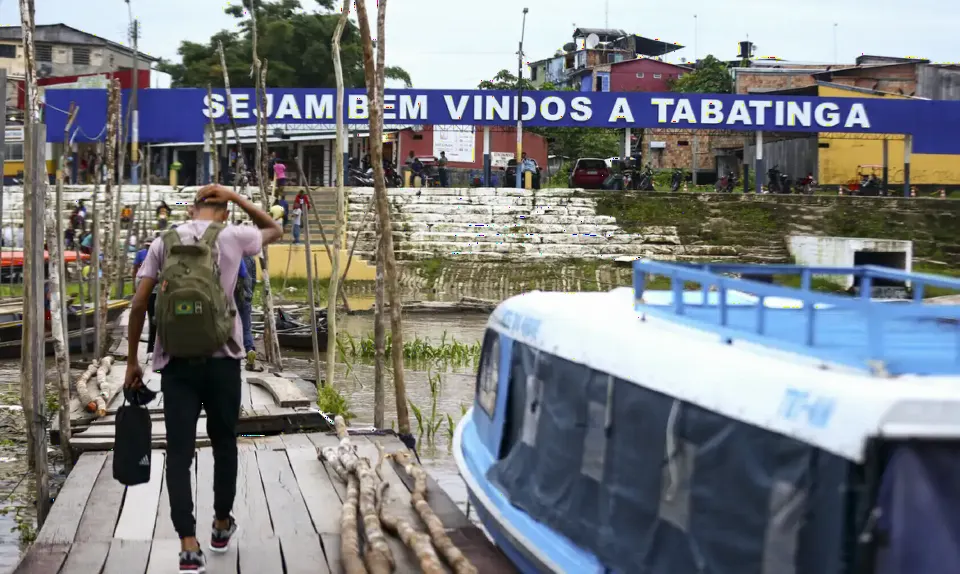
A town full of Amazonian culture and charm
Known as Leticia's sister city, Tabatinga is a gateway to the Brazilian Amazon. Its name, of Indigenous origin, means "small village," reflecting the cultural roots of a region deeply shaped by the Indigenous communities that have lived on this land for centuries.
The town stands out for its urban setting surrounded by lush rainforest and its vibrant culture, marked by music, folklore, and Brazilian customs. Tabatinga is also a meeting point where people from Colombia, Brazil, and Peru mix to exchange traditions, products, and experiences, creating a unique and diverse atmosphere.
With a warm, humid climate year-round, Tabatinga offers visitors a mix of modernity and nature, with local markets, market squares, and views of the mighty Amazon River.
What to do in Tabatinga?
Although Tabatinga is a small town, it offers a wide range of activities and points of interest. One of the best ways to explore the town is a motocarro (motor-taxi) tour, a typical and comfortable way to see the main sights in a short time — this tour can last up to 4 hours. The highlights are:
- La Mansión de Chocolate — a paradise for chocolate lovers and Brazilian products: chocolates, cachaça, crafts, and the famous Ipanema and Havaianas sandals.
- La Fera — a spectacular view of the Amazon River, great for photos.
- The market square and fish stalls — local flavors, fresh fish like tambaqui (gamitana), and exotic regional fruits and spices.
- Mirador de la Comara — a panoramic view of Tabatinga and its surroundings.
- The municipal zoo — local Amazonian wildlife species.
- The Umariaçu Indigenous community — Brazilian Indigenous culture, traditions, and crafts.
- The Onçódromo (or Sambódromo) — the stage for the Festisol, Tabatinga's biggest celebration.
Festisol: Tabatinga's biggest celebration
The Festisol is a unique cultural event held every year in early September in Tabatinga. It commemorates Brazil's independence (September 7) and highlights Indigenous traditions and Amazonian folklore.
One of the most exciting parts is the rivalry between the Onça Pintada (spotted jaguar) and the Onça Preta (black jaguar), two groups that put on shows full of stories, myths, and ancestral legends. Over several days, attendees enjoy music, dance, and art blending Indigenous elements with Brazilian folklore.
The festival also features performances by singers and musical groups from Brazil, Colombia, and Peru, making it an unforgettable multicultural experience — the best time to visit Tabatinga.
Tips for visiting Tabatinga
- Clothing and footwear — light, comfortable clothing for the warm, humid climate, and comfortable shoes for walking around town.
- Hydration — bring a reusable water bottle; temperatures can run high.
- Currency — exchange some Brazilian reais before crossing, since most shops only accept local currency.
- Transport — the motocarro is the cheap, fast way to get around town.
- No visa needed — the Leticia–Tabatinga border is one of the most open in South America; crossing is simple and safe.
What to eat in Tabatinga?
Tabatinga's food scene blends Peruvian, Brazilian, and local restaurants, mixing Amazonian flavors with each country's culinary traditions: Brazilian buffets and rodizios, charcoal-grilled food (grilled tambaqui is the signature dish), and fresh fish and fruit at the market square.
Frequently asked questions
Do you need a visa to cross from Leticia to Tabatinga?
No. It is one of the most open borders in South America — you can cross on foot or by local transport without a visa.
What does the name Tabatinga mean?
It is of Indigenous origin and means "small village," reflecting the cultural roots of the communities that have lived in the region for centuries.
How long does a motocarro tour of Tabatinga take?
Up to 4 hours, covering the town's main sights.
When is the Festisol held?
In early September, coinciding with Brazil's independence day (September 7).
What currency is used in Tabatinga?
The Brazilian real. It is worth exchanging some money before crossing, since most shops only accept local currency.