
How to Get to Tabatinga, Amazonas: Travel and Logistics Guide
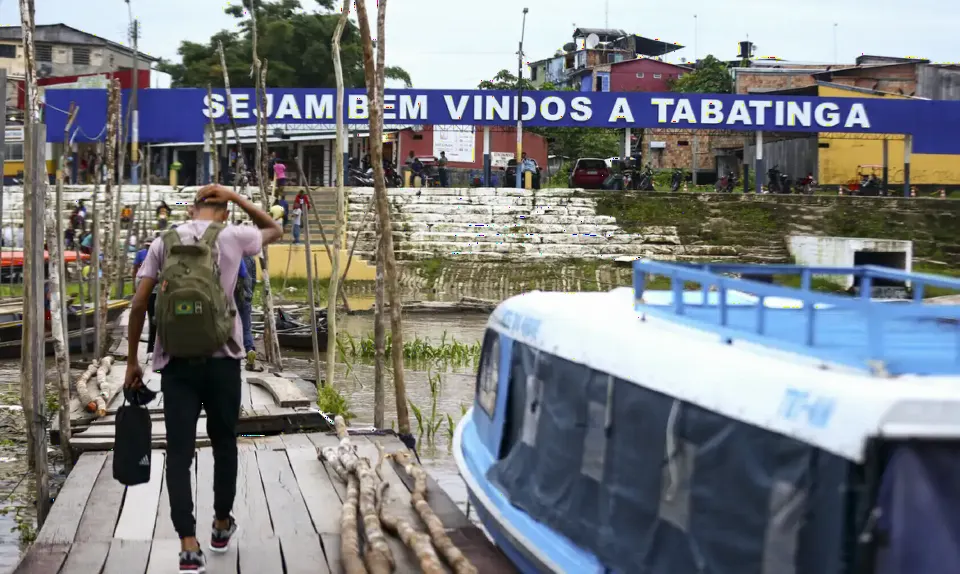
How to get to Tabatinga depends on where you start: it is a Brazilian town on the Amazon triple border, a direct neighbor of Leticia (Colombia) and connected by river to Santa Rosa (Peru), with no road link to the rest of Brazil — you get there by air, by river, or by crossing the border.
How to get to Tabatinga by air
The fastest way to reach Tabatinga is by air. The town has Tabatinga International Airport (TBT), which receives daily flights from Manaus, the capital of Amazonas state (Brazil), operated by airlines like Azul Linhas Aéreas, with a flight time of about 2 hours. Most international flights connect through Manaus first.
The airport is small but functional, with taxis running straight to downtown Tabatinga or the Leticia border (under 10 minutes by car). It's worth booking ahead during high season (July–September and December–January).
How to get to Tabatinga by river
Tabatinga is directly connected by river to Manaus (Brazil) and Iquitos (Peru), plus the nearby crossings to Leticia (Colombia). From Manaus there are two options: fast boat (lancha express), 30 to 36 hours, or slow boat (barco recreo), 5 to 7 days, sleeping in hammocks on board.
From Iquitos (Peru), fast boats take 10 to 12 hours, or slow boats up to 3 days; that route connects to Santa Rosa (Peru), from where you cross to Tabatinga in minutes. River travel also lets you spot pink dolphins and riverside villages along the way.
How to get there from Leticia (Colombia)
If you're already in Leticia, getting to Tabatinga is the simplest option: the border is nearly invisible — in under 10 minutes by taxi or moto-taxi (or even on foot) you can cross over, with no immigration paperwork for short crossings.
If you plan to fly from Tabatinga to another Brazilian city like Manaus, you'll need to stamp your passport at the Brazilian immigration post. The same applies if you come from Leticia and continue on to Bogotá: you'll need to go through Colombian immigration.
How to get there from Santa Rosa (Peru)
The third direct access to Tabatinga is via Santa Rosa, a small Peruvian town on an island facing Leticia. You get there by fast boat from the port of Leticia (about 5 minutes), and from Santa Rosa you cross by boat to Tabatinga in a matter of minutes, with no immigration paperwork if it is only local tourism or shopping.
Travelers heading from Santa Rosa to Iquitos must stamp their passport at the Peruvian immigration office. This tri-national crossing means you can have breakfast in Colombia, lunch in Brazil, and dinner in Peru — all in one day.
Entry requirements
- Short trip from Leticia or Santa Rosa (shopping, tourism, food) — no passport stamp needed.
- Travel into the Brazilian interior (Manaus or São Paulo) — immigration paperwork at Brazil's Federal Police post in Tabatinga.
- Returning to Bogotá from Leticia — you must go through Colombian immigration to register your entry.
- Travel from Santa Rosa to Iquitos (Peru) — mandatory immigration control at the Peruvian office before boarding.
- A yellow fever vaccination card is recommended, a common requirement for flights within the Amazon.
What to do in Tabatinga
- Mirador de la Comara — spectacular views of the Amazon River and the triple border, great for sunsets.
- Tabatinga's military zoo — Amazonian species, run by the army.
- Calle del Calzado (Shoe Street) — low-priced shoes with a wide variety.
- Amazonian chocolate shops — chocolate made with regional cacao.
- Umariaçu Tikuna community — Indigenous culture and traditional crafts.
- River port — connections to boats heading to Manaus and Iquitos.
Where to sleep in Tabatinga
Tabatinga's hotel options are varied, though simpler than Leticia's, ranging from budget hostels to mid-range hotels. Many travelers prefer staying in Leticia, where tourism infrastructure is broader, and visiting Tabatinga during the day — though spending the night in Tabatinga can be a good way to experience Brazilian life up close.
Practical tips for travelers
- Best season — the Amazonian winter (March–June) for navigating channels and lakes; the Amazonian summer (July–September) when natural beaches appear.
- Currency — the Brazilian real is official, though shops also accept Colombian pesos and Peruvian soles.
- Safety — the border is calm; use reliable transport and avoid walking alone at night.
- Local transport — mostly moto-taxis, taxis, and shared vans, fast and affordable.
Tabatinga as a logistics hub
Beyond tourism, Tabatinga plays a key role in supplying the Amazon region: cargo ships from Manaus bring food, fuel, machinery, and consumer goods, and its port handles much of the trade with Leticia and Santa Rosa. For border residents, Tabatinga is where markets, banks, universities, and basic services converge.
Frequently asked questions
Which airlines fly to Tabatinga?
Azul Linhas Aéreas currently offers daily flights from Manaus to Tabatinga.
Can you drive there from Manaus?
No. Tabatinga has no road connection to the rest of Brazil. It is only reachable by air or river.
Do I need a passport to visit Tabatinga from Leticia?
If you're only crossing for a few hours, no. It is required if you're traveling further into Brazil.
How long does the Manaus–Tabatinga boat take?
The fast boat takes about 30–36 hours, while the slow boat takes 5 to 7 days.
Is it better to sleep in Leticia or Tabatinga?
Leticia has more tourism infrastructure, but Tabatinga offers the Brazilian experience. Many travelers combine both.